
Independence Day Lessons from the McLeod Oak
How a 500-year-old Southern live oak helped me process and celebrate our nation’s 250th anniversary

I want to be excited about the United States’ 250th anniversary. I love my country. Instead, mixed feelings have churned through my mind.
I’m grateful that the Declaration of Independence set off a revolution in self-government that became a model for the world, but I’m nauseated by President Trump’s co-opting of the Washington, D.C. celebration to make it about himself.
I love the diverse landscapes of our nation from coast to coast and beyond, but I lament the pain inflicted on indigenous and black people in order to attain it.
I’m thankful that our country stood up to Nazi Germany and the Axis powers in World War II, but I grieve that we also stripped the civil rights of thousands of American citizens of Japanese descent as we detained them during that same war.
I’m grateful for a country that protects freedom of speech and religion, but I’m concerned that some of that speech on the left and the right seeks to undercut those protections in response to each other.
I could go on. Hence my conflicted feelings.
But then I visited a 500-plus-year-old Southern live oak this week in James Island, South Carolina. This tree—both as an overarching species of tree but also the specific tree I visited—provided a balm for my conflicted patriotic soul.
Maybe it will for you too.
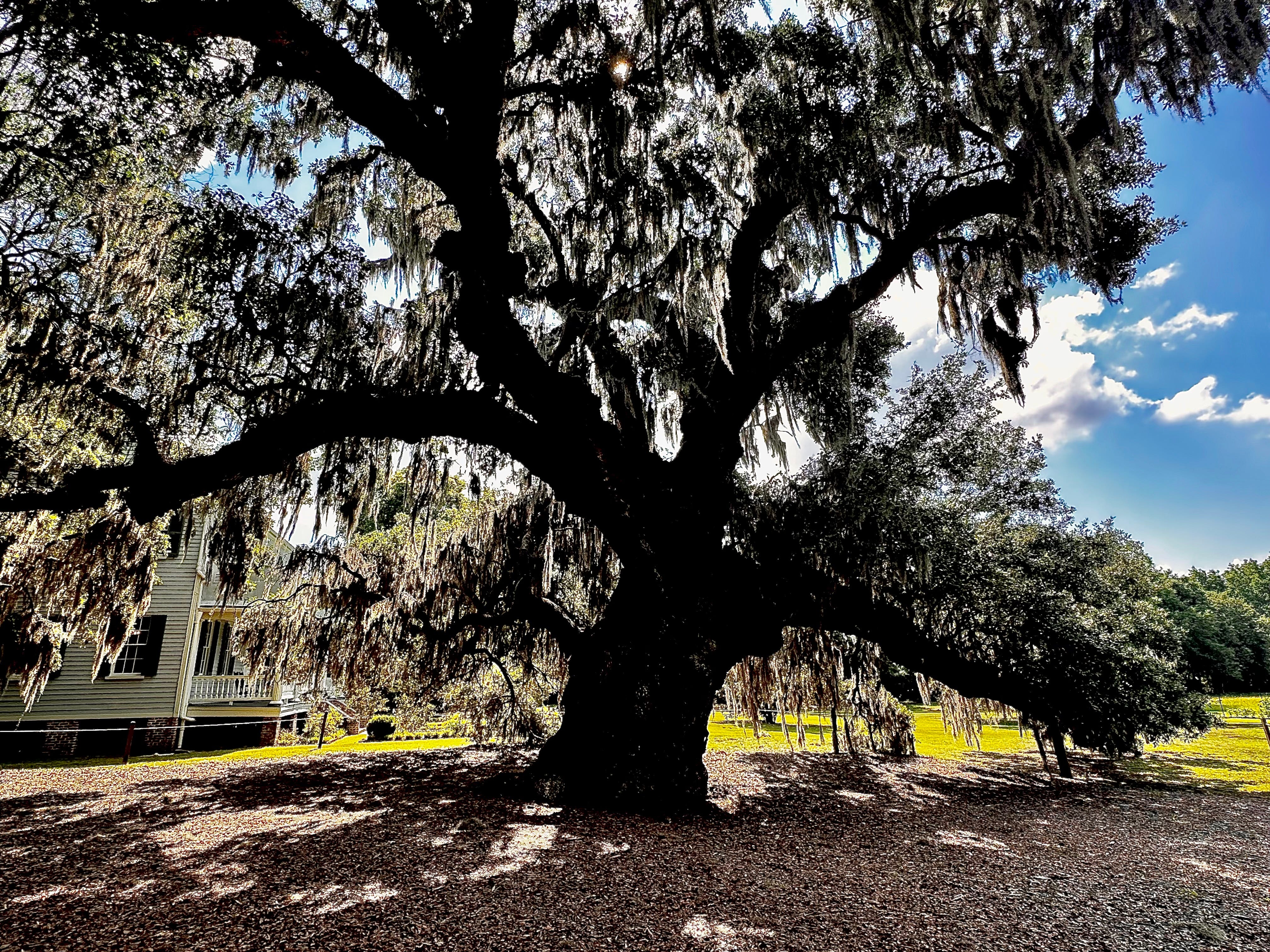
The McLeod Oak sits adjacent to the main house at the McLeod Plantation Historic Site on the Wappoo Creek, minutes southwest of downtown Charleston. It has witnessed emblematic eras of our country’s history, perhaps more than any other living thing.
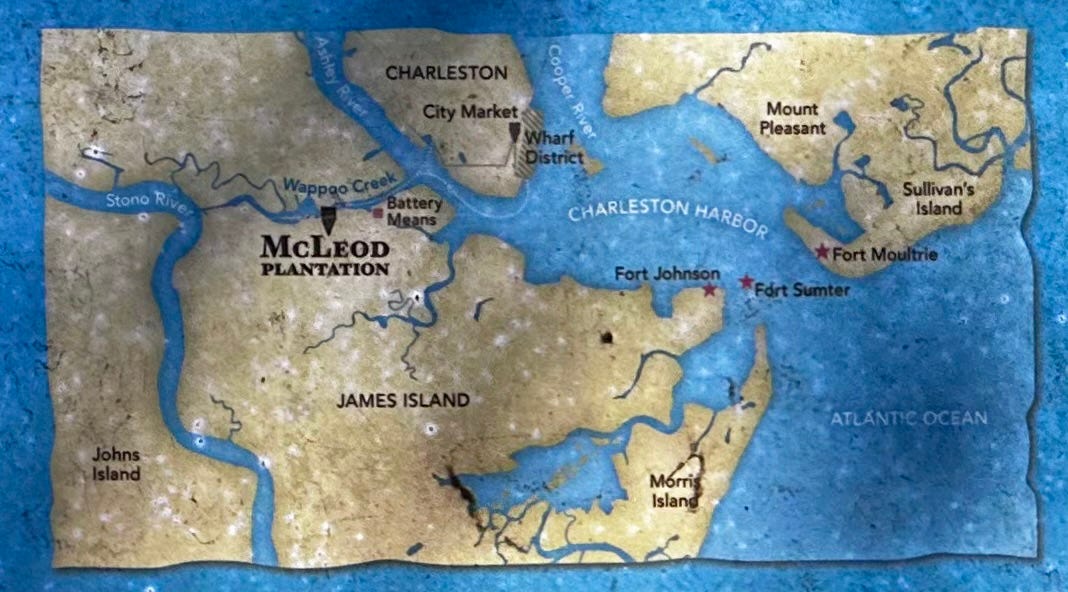
In the tree’s early days, at least 500 years ago, she watched indigenous people gather and trade under her outstretched branches. Soon, her indigenous caretakers disappeared, replaced by a series of Englishmen who traded ownership of the 671-acre plot where she lived untouched until the 1740s.
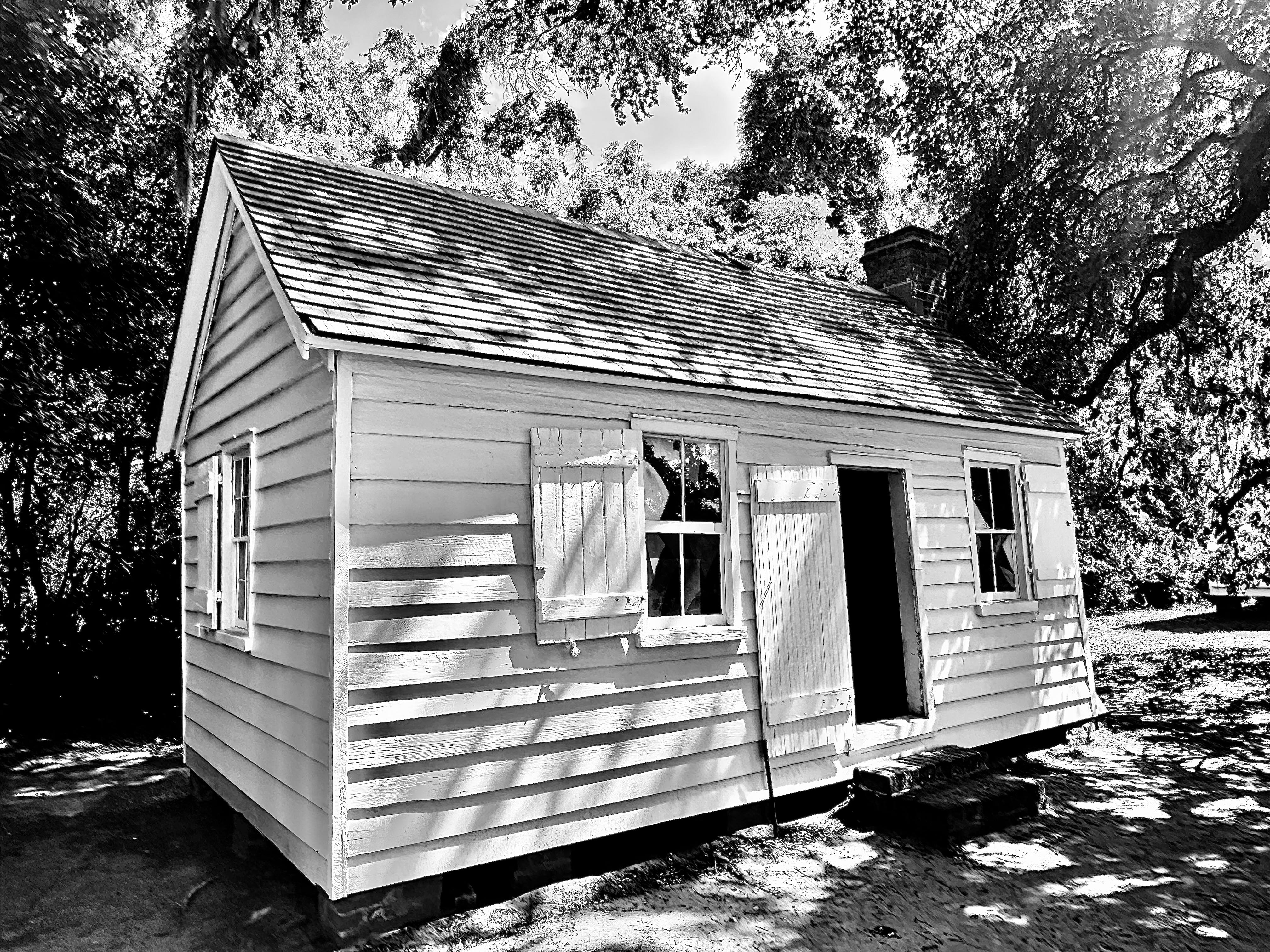
Under the direction of white men who barked orders, the oak watched enslaved men and women from dawn to dusk clear the surrounding land to raise cattle and plant crops such as indigo and, eventually, Sea Island cotton. She overheard them speak a creole language, later known as Gullah, as they also built rows of simple two-room dwellings for their families nearby. The oak provided shade for them amidst the sweltering low-country heat and humidity.
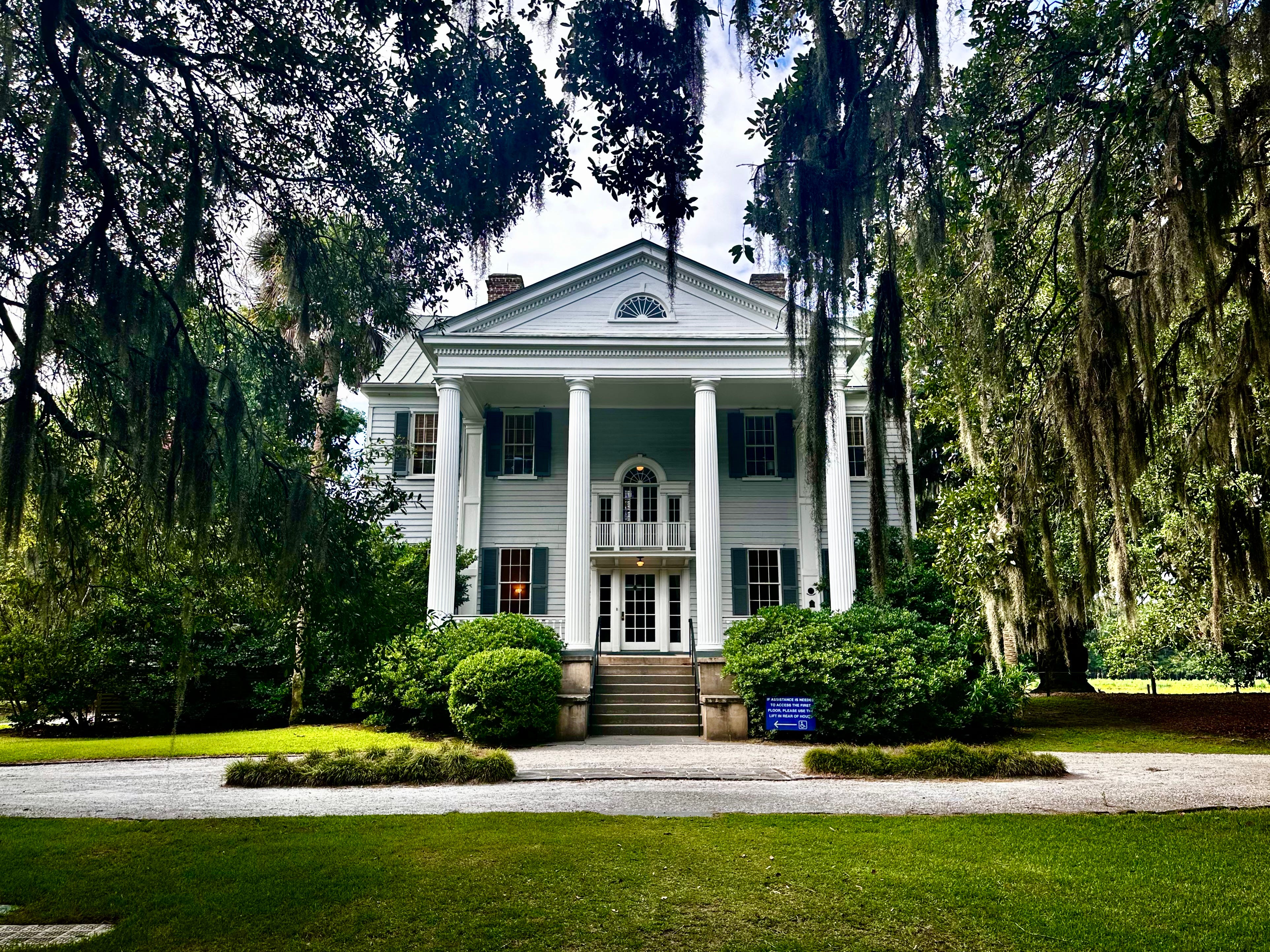
More than a century later, the land changed hands again, this time to a planter from nearby Edisto Island, William Wallace McLeod, who constructed a plantation house just before the Civil War on the edge of the oak tree’s roots and expanded cotton production on the surrounding land.
In April 1861, she heard 34 hours of cannon fire as Confederate troops bombarded Fort Sumter four miles away. The following year, Confederate leaders ordered James Island residents to evacuate, forcing the McLeod family to leave behind only a few enslaved people as caretakers. Soon, the McLeod Oak stood by as Confederate soldiers camped around her roots for the next three years. The house became the headquarters for James Island troops and a field hospital—perhaps her branches provided shade and respite for surgeons after completing grueling procedures.
Then, in February 1865, the oak watched her Confederate neighbors evacuate in a hurry, likely leaving behind a mess around her, soon to be replaced by Union troops from the 54th and 55th Massachusetts. She noticed that these soldiers had the same skin color as the workers who worked the land (the 54th was the black unit portrayed in the movie, Glory), though the language they spoke was more like the white men who had owned the land.
Union soldiers lived in the house and surrounding land through the war’s end until the federal government set up its regional Freedmen’s Bureau headquarters as part of Reconstruction. Over the coming year, she watched men who had worked the property and neighboring land enter the house and leave, filled with joy, carrying a piece of paper—they owned forty acres of land as they sought to build their post-emancipation lives.
It would be short-lived, though, as smallpox wiped out nearly half of the island’s newly freed population in 1866—she watched the agony as families limped to the house for supplies and medical care.
Within a few more years, the McLeod children, now adults in the wake of their father’s death during the war, returned and took the land back in 1879 with the help of local Charleston leaders and the federal government revoking the freedmen’s land titles. The tree watched as most of the black workers didn’t leave—perhaps they couldn’t, as the only ways to leave the island were again controlled by white leaders. Instead, they returned to their labor as sharecroppers for the McLeods, which, from the oak tree’s perspective, seemed no different than before the war. For decades more, she watched generations of black workers and their families continue to live in the nondescript, two-room cabins set in lines just beyond her branches.
In the 1930s, the oak observed the McLeods renovate the property for tourism, planting lines of live oaks along the two roads leading into the plantation, adding tall Corinthian columns to the back of the house, and switching the entrance to face the newly built Country Club of Charleston and the Wappoo Creek. They even constructed a fake outhouse to supplement their storytelling about plantation life.
The McLeods sought to capitalize on the craze in plantation tourism sparked by the movie Gone with the Wind’s portrayal of plantation life. The oak tree listened to stories about the beauty of antebellum plantation culture and the kindness of the slave-master relationship. She had witnessed the brutality of slave labor on the ground where these tourists now stood, contradicting that narrative.
As tourism waned, the two-room cabins with no running water or plumbing continued to provide homes for families until as late as 1990, when William Ellis McLeod died without heirs. His father had been a young teen during the Civil War, and his grandfather died of illness as a soldier. The final cabin tenant, John Gathers, rented the house closest to the tree for $37 a month until Mr. McLeod’s death, holding out hope for a promise of land from Mr. McLeod that was left unfilled.
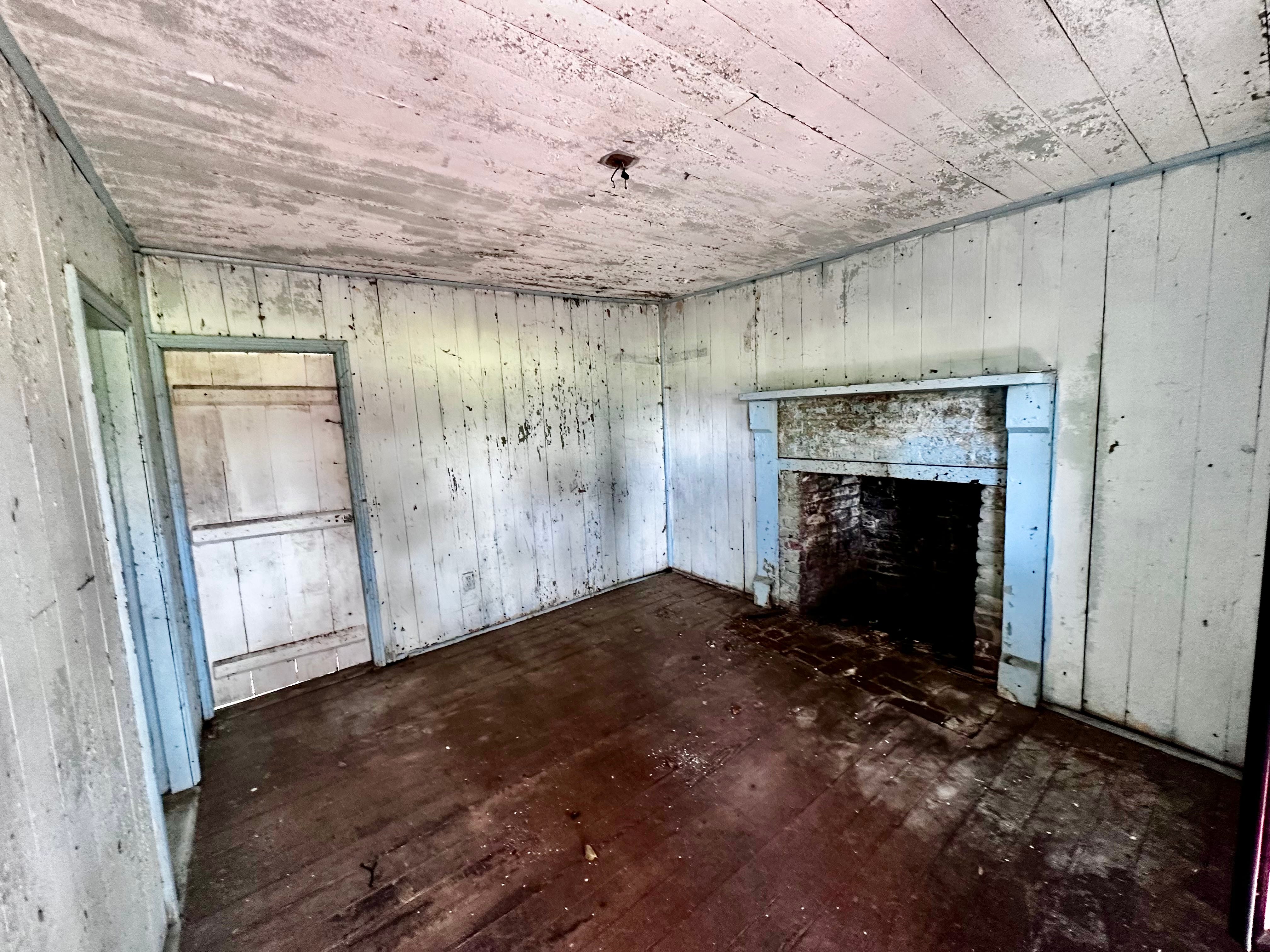
Mr. McLeod left a share of the land to the Historic Charleston Foundation, which led to the property’s eventual conversion into a historic site in 2015.
The tree now watches a steady but slow stream of visitors who listen to the stories she has witnessed over five centuries. Though the number of visitors pales in comparison to those she sees driving by on Folly Road toward the beach, this time those who stop for a tour hear the full picture of the plantation’s history rather than the romanticized Lost Cause version.
As I stared at the McLeod Oak, I couldn’t help but think about our country.
Her wide trunk weaves a patchwork of twisted wood, uneven knots, and grayish-brown bark. Each knot represents a scar—the tree’s healing process from a fallen branch, damage from a hurricane, fungus taking over part of its trunk, or a drought. The knots are dense, and their wood is stronger once the healing process is complete. However, the mangled marks remain, just as our country has often limped through its most trying moments. Each time we have emerged stronger than before, but the scars remain as lessons for future generations if we choose not to ignore them.
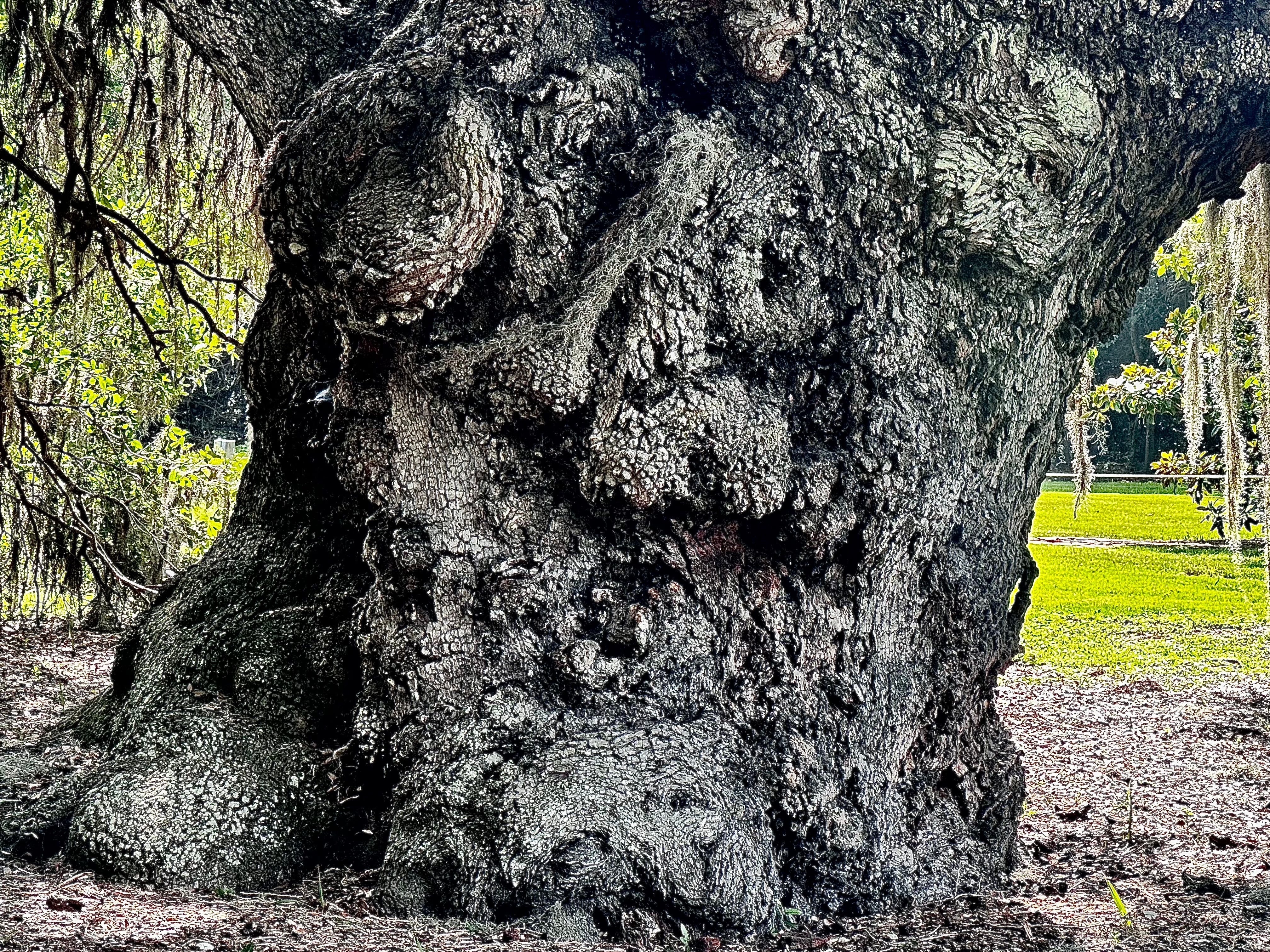
Her wood is so durable that her fellow live oaks often survive wildfires and were used in wooden combat ships in the early days of the United States, the most famous of which was the USS Constitution—Old Ironsides—for its impenetrability during the War of 1812.
Her branches extend out in all directions, with one reaching back to the ground under its weight. I was astonished by how much other life that the Southern live oak sustains—ferns taking root in its limbs, Spanish moss reaching downward, birds nesting in its branches, and acorns feeding a range of wildlife. Its thick canopy keeps its leaves year-round, providing shade from the heat and shelter from thunderstorms. Thus, the oak serves as an anchor for other plants and animals to flourish, much like our country provides a framework of laws and systems that have enabled freedom and flourishing for many. It might be easy for wildlife to take for granted what the live oak provides them. In the same way, we must be careful not to take the rule of law and the Constitution for granted in our country.
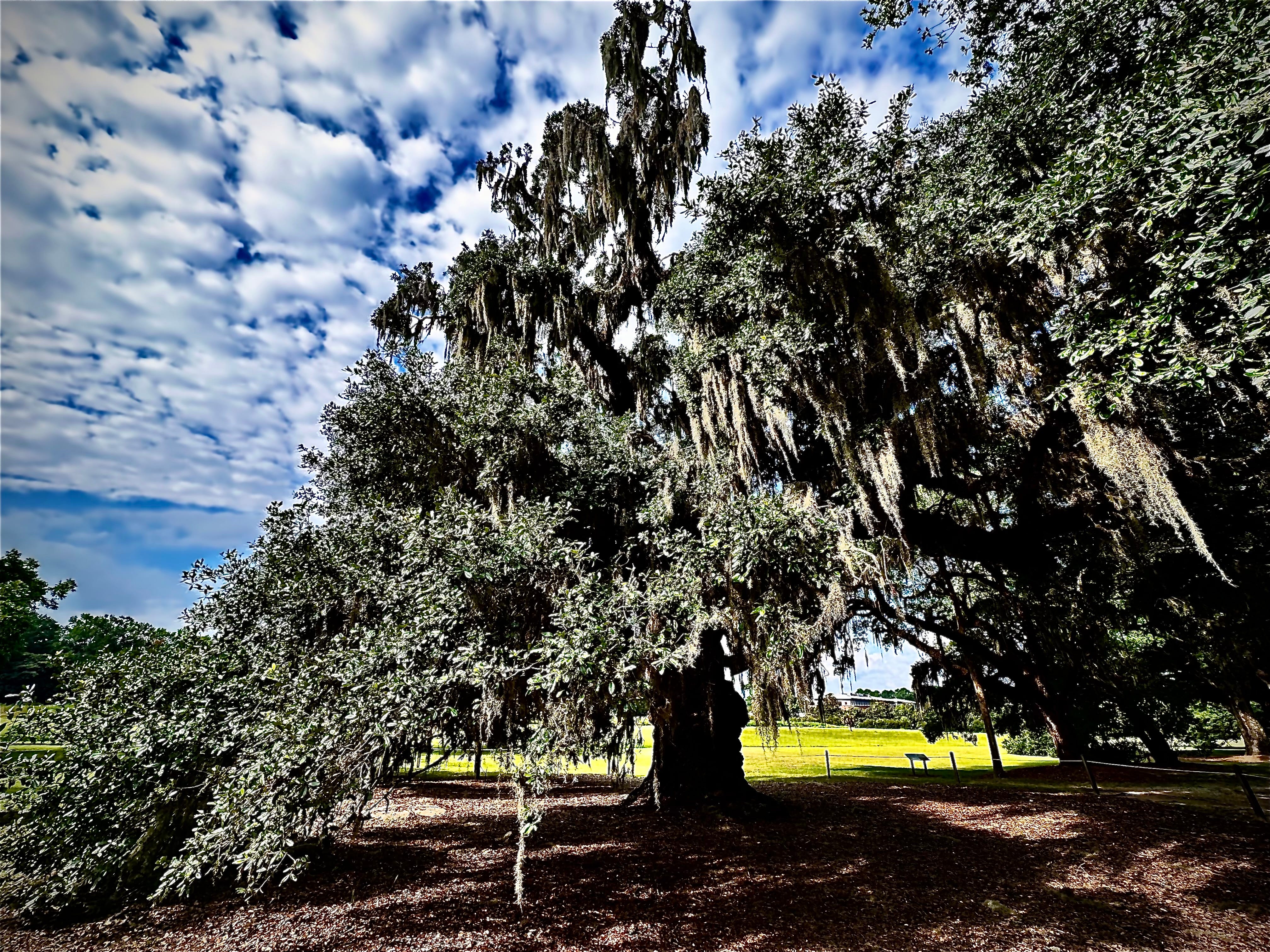
As I listened to my tour guide discuss the tree, another detail stood out: how live oaks die. Live oaks like the McLeod Oak don’t die of old age but rather are killed by environmental conditions around them or disease from within. The trampling of its root system, excessive heat, or nutrient deficiencies might suffocate its life. Heart rot, a fungal disease, might hollow out the center of the tree while the outside still looks healthy, causing a slow death to appear like a sudden failure. Similarly, root rot, another fungal disease, can damage the root system invisibly for several years, making it more susceptible to environmental stresses it could otherwise handle.
Our nation, just like the McLeod Oak, can continue to thrive for centuries to come, but only if we steward it well, safeguarding and strengthening our institutions against the strains of the modern era and holding true to the principles laid out in the Declaration of Independence 250 years ago today.
Thank you for reading Southbound. If you liked this article, please click the ♥️ icon at the bottom of this post, leave a comment, or forward it to a friend. Doing so provides me with helpful feedback and helps others find the article.
I’m grateful to the McLeod Plantation Historical Site and my tour guide, Kat, for answering my many questions. If you’re ever in the Charleston area, I highly recommend a visit.
Thank you for those meaningful comments about the McLeod tree and its history. When you are in that area again, check out the Angel Tree that is also on Johns Island. There is no mansion there, but it is an impressive, massive oak that has also experienced hundreds of years of existence. It is still managed by the Gullah-Geechee people of the area.
Kathryn Sellers, Dalton