
Human Dignity beyond Productivity
How my son’s Down syndrome and my Dad’s Alzheimer’s disease are breaking my achievement addiction

Dear Southbound readers,
You may have noticed that Southbound has been quiet for the last year, other than my 4th of July reflection on Charleston’s McLeod Oak, That’s about to change, thanks in part to a sabbatical this summer from my day job that allowed me margin to write.
I’ve been digging back into the series I began three years ago on Jim Crow-era healthcare and hospital desegregation in my hometown of Dalton, Georgia. I’m excited to tell that story and reflect on what lessons it may have for us today. More to come later in 2026.
In the meantime, I’m sharing an excerpt from a speech I gave in April at my alma mater, Georgia College & State University, as part of the School of Business’ Executive in Residence program. In it, I discuss how the adoption of our youngest son, Luke, who has Down syndrome, and the advancement of my Dad’s Alzheimer’s disease have forced me to revisit my definition of success and deepen my understanding of human dignity. In keeping with Southbound’s theme, it also wrestles with what I’m learning about disability history in Georgia.
Thank you for continuing to read Southbound.
-Sam
“You can never overachieve; you can only achieve more.”
This was a statement I used to tell myself and others in college, often in response to someone calling me an overachiever. I would respond with a half-smug awareness of a person earning straight A’s and living his dream of playing collegiate golf. I believed that achievements were the path to earning others’ love and respect. Accomplishing those feats simply required a willingness to put in the work.
As I moved into my career, the achievement target shifted to gaining influence and becoming a change agent in education, but the underlying belief in success as the ticket to validation and love remained unchanged.
That belief seemed to work, especially since our culture rewards the endless pursuit of accomplishments. However, the adoption of our son, Luke, who has Down syndrome, and the advancement of my Dad’s Alzheimer’s disease over the last few years forced me to reckon with my addiction to success.
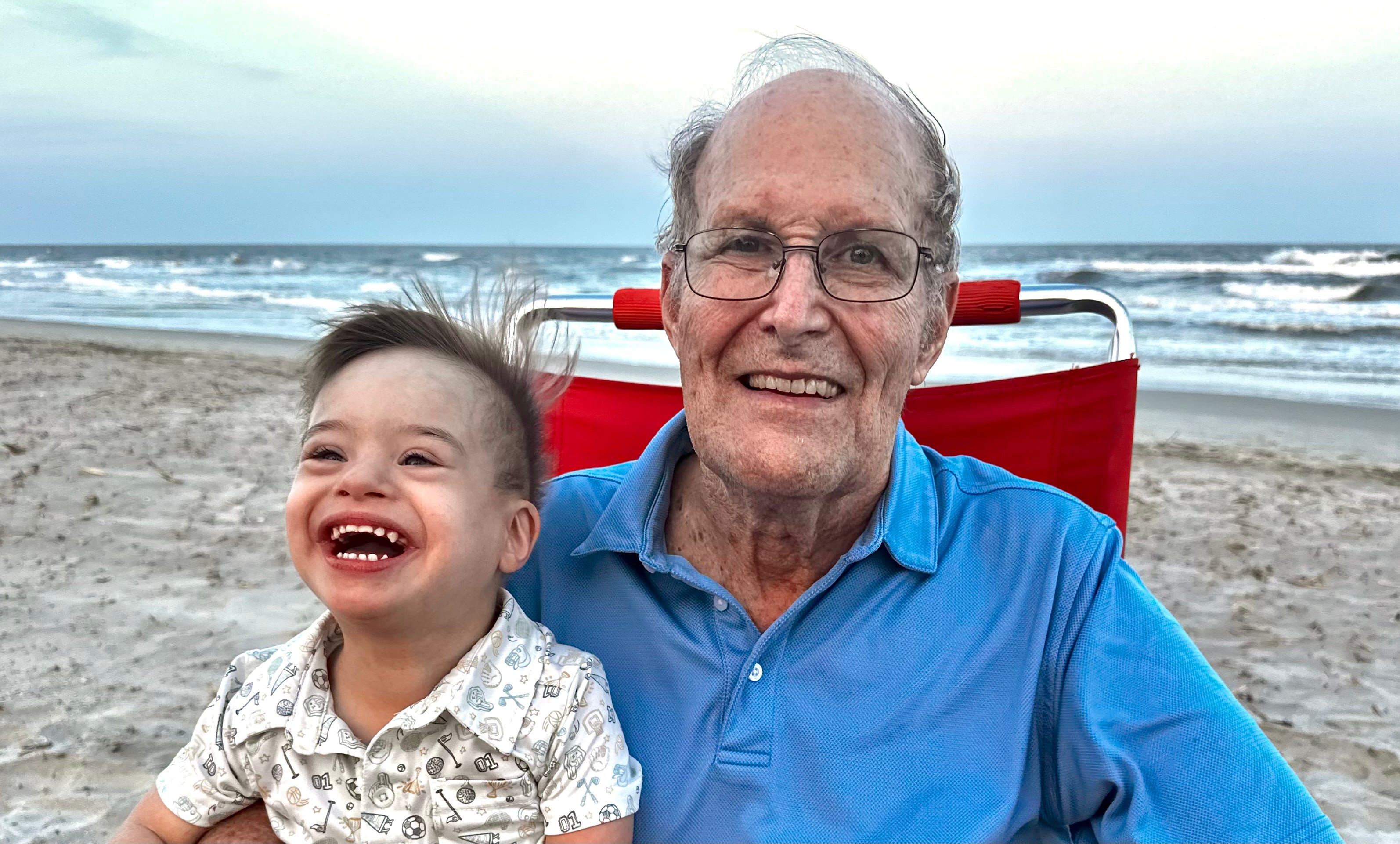
A decade ago, doctors diagnosed my Dad with Alzheimer’s disease. I still remember the phone conversation when my parents shared the news with me as I drove home from work. At the end of the conversation, my Dad inserted his trademark feigned ignorance when I asked him an unrelated question: “I don’t remember.” This time, the joke wasn’t funny.
Thankfully, the disease progressed slowly, but over the last couple of years, we’ve started to see the ugliness of the disease as he has forgotten most long- and short-term memories, including the names of our kids and, soon, my name. His OCD tendencies have intensified, as has his withdrawal from meaningful conversation, either because he can’t keep up or because he forgets what was just said seconds later. The practical jokes he has played in public for decades have increased in frequency, such as pretending to eat food off strangers’ plates at a restaurant or that he is going to walk straight into passersby before saying “watch out” at the last second.
Alzheimer’s, like other slowly progressing diseases, brings a different grieving process than sudden death. In one sense, I’ve already been grieving the loss of my Dad, yet he’s still here. From a productivity perspective, my Dad is now in the red. His detail-oriented architectural mind has given way to confusion. His stubborn independence has been replaced by near-constant dependence on my Mom and other caregivers.
Alongside my Dad’s decline, Luke, our third child, joined our family through adoption in 2023. He carries an extra copy of his 21st chromosome, commonly known as Down syndrome, and more recently was diagnosed with autism.
First, quite literally, his arrival forced me to pause everything—a metaphor for what was to come.
At the end of my workday on June 22, 2023, our adoption agency notified my wife, Hannah, and I that Luke’s birth mother was in labor more than a month early in Orlando. We drove through the night, arriving dreary-eyed just before dawn at the Hampton Inn next to Winnie Palmer Hospital to await his arrival.
We knew that Luke had some medical complexities on top of a prenatal Down syndrome diagnosis. When we left in late June, we assumed we would be in Florida—away from our other two kids—for a couple of weeks. We never dreamed that we wouldn’t return home with him until September 11.
Over that time, we lived in the Ronald McDonald House next to the hospital, making the daily trek inside to be with Luke, born at just 3 pounds 6 ounces. We would tuck him inside our shirt to hold him as much as we could, await the unpredictable timing of daily doctors’ rounds, and participate in feeding therapy as they tried to wean him from a feeding tube.
The endless drones of beeping monitors became the soundtrack of our summer. We watched Disney’s Magic Kingdom fireworks show on the horizon many nights from an 11th-floor hospital room.
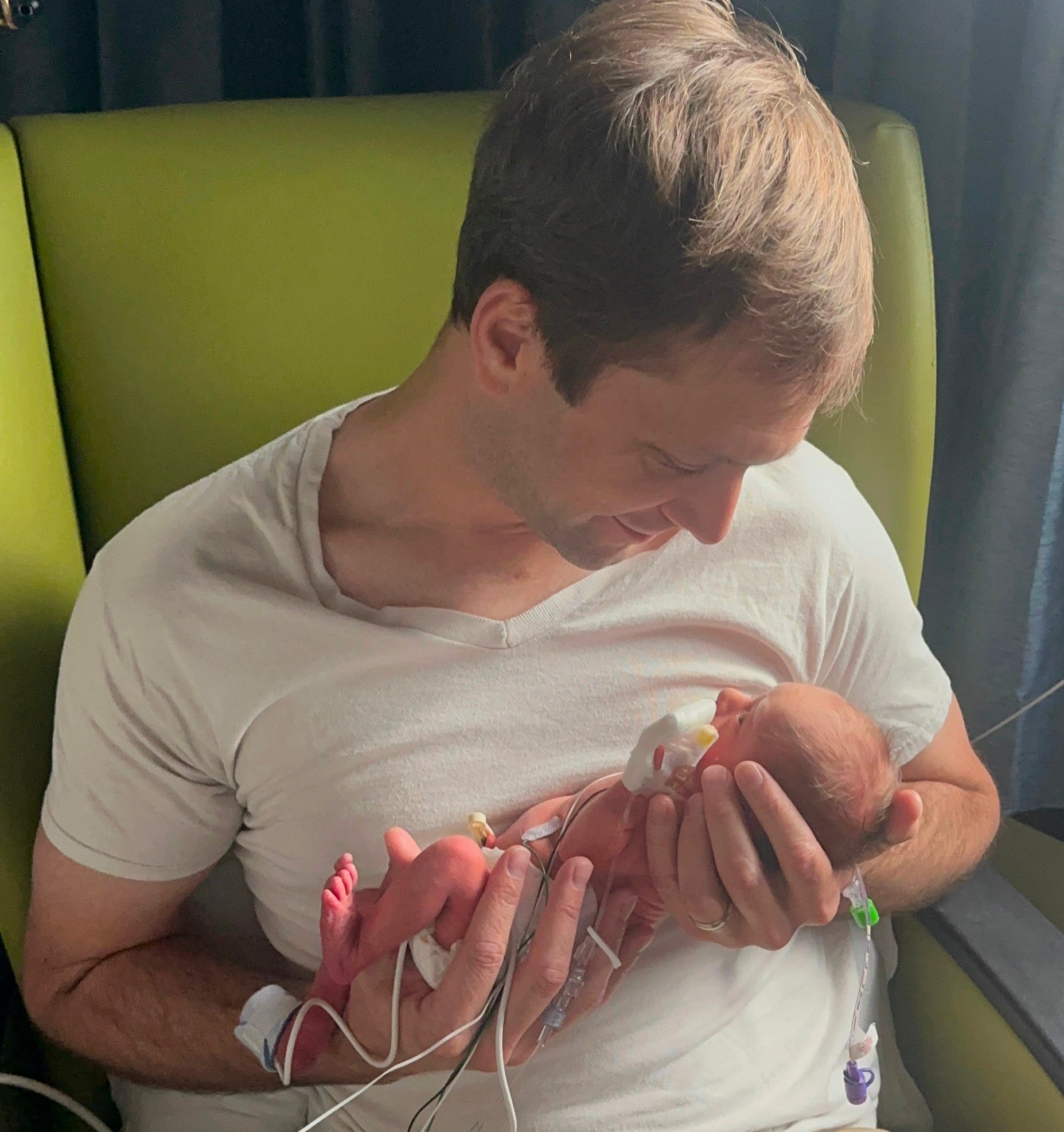
The rhythms of the hospital and the walks along the surrounding concrete paths amid the 100-degree, humid Florida summer began to teach me how to walk more slowly, to pace myself—there was nothing I could do to control or speed up the process. When Hannah and Luke both caught COVID-19 in early August, demoting us to a lower floor room and slowing his development, we wondered whether we would make it home before the heart surgery he would need at six months old.
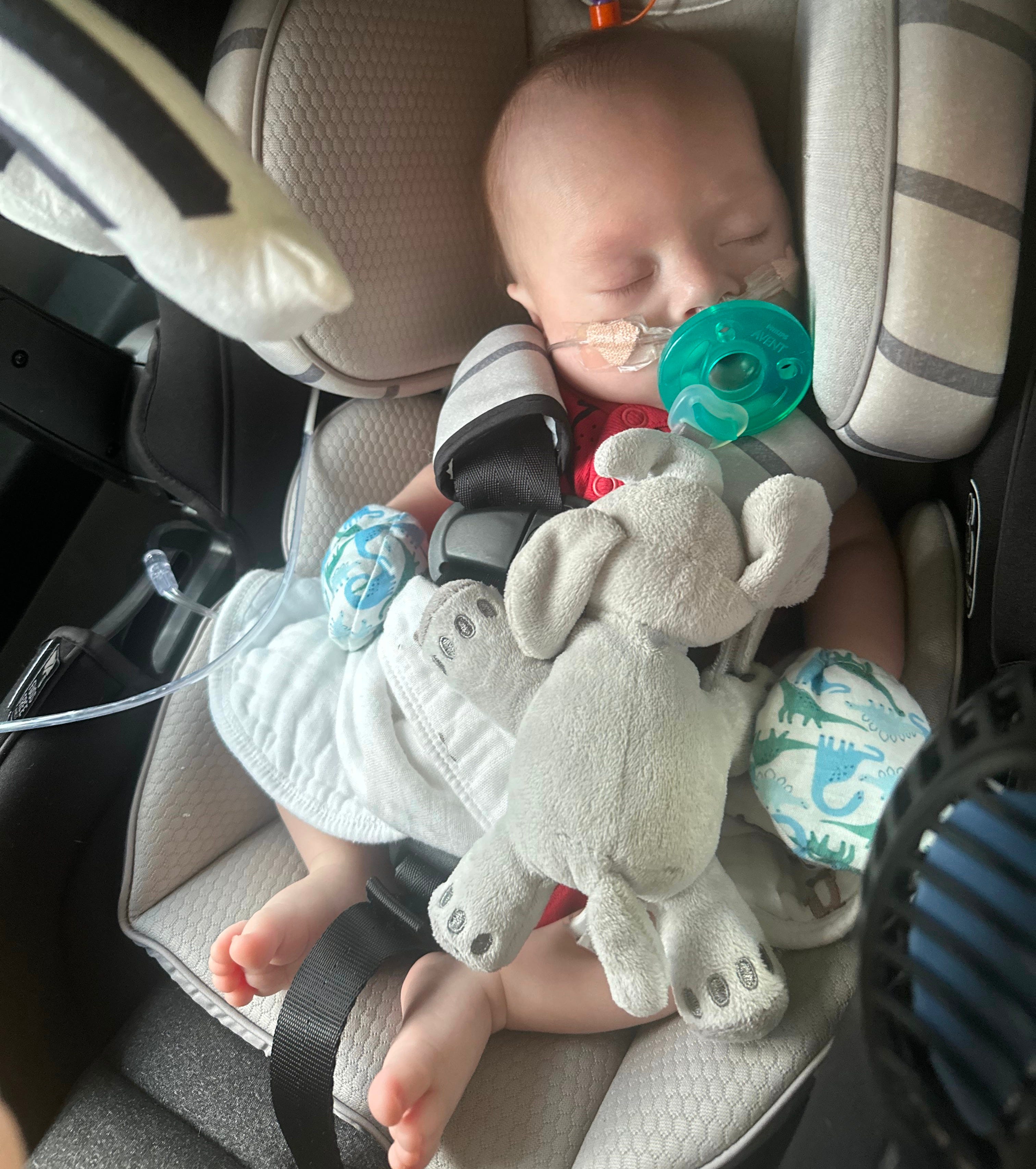
As we finally returned home in mid-September, life didn’t snap back to normal. I returned to work a week later while we navigated paperwork and set up his new doctors. In November, Luke’s scheduled heart surgery brought a near-death moment in the ICU and another two-week hospital stay. He remained on oxygen and a feeding tube for most of the first year of his life.
As medical challenges stabilized, Luke’s emerging personality has become the next affront to my addiction to productivity and accomplishment, such as when he wants to stop and spend 10 minutes playing with his shadow in the late-afternoon sun instead of getting in the car to head to our latest destination. Or when he hears upbeat music and sways joyfully with his arms raised until he explodes in angry tears when the music stops. Transitions are hard.
Growing up, I internalized the message that students in the special education program at school or the elderly people living in the Wooddale nursing home, where my great-grandmother lived, were people to be cared for out of kindness or charity. It was the right thing to do. The benefit, as I viewed it, was one-directional—from me to them. This hierarchy aligned with that same internalized belief that the most productive are most valued.
I then devoted my career to ensuring that a child’s zip code shouldn’t determine the quality of education and opportunity afforded to them. My time teaching in New Orleans after college began unwinding that one-directional savior mindset as I learned more from the students in my school than they ever learned from my Algebra II class. Though my view of human dignity was broadening, people with disabilities were still largely an afterthought.
I wasn’t alone—it turns out that most of human history was on my side, as I’ve learned over the last few years. People with disabilities have been ignored at best, discarded at worst.
That point struck home three months after returning from Orlando, when I visited my alma mater, Georgia College & State University, in Milledgeville. Across town from the university sits Central State Hospital, a sprawling campus that served as the state’s mental health institution.
Founded as an asylum for “lunatics, idiots and epileptics” in 1842, it became the largest mental institution in the world at its height in the 1960s, housing more than 12,000 patients on more than 2,000 acres. An estimated 35,000 people are buried in marked and unmarked graves. Today, it operates in a fraction of its original footprint as a maximum security institution for psychiatric evaluation and treatment for those in the criminal justice system or those with behavior disorders who are in need of intensive residential services. Fewer than 250 individuals are housed there.
In college, I drove around Central State a couple of times to see what it looked like, but I steered clear of my friends’ late-night, adrenaline-fueled trespassing adventures in its supposedly haunted buildings. I was too chicken for that.
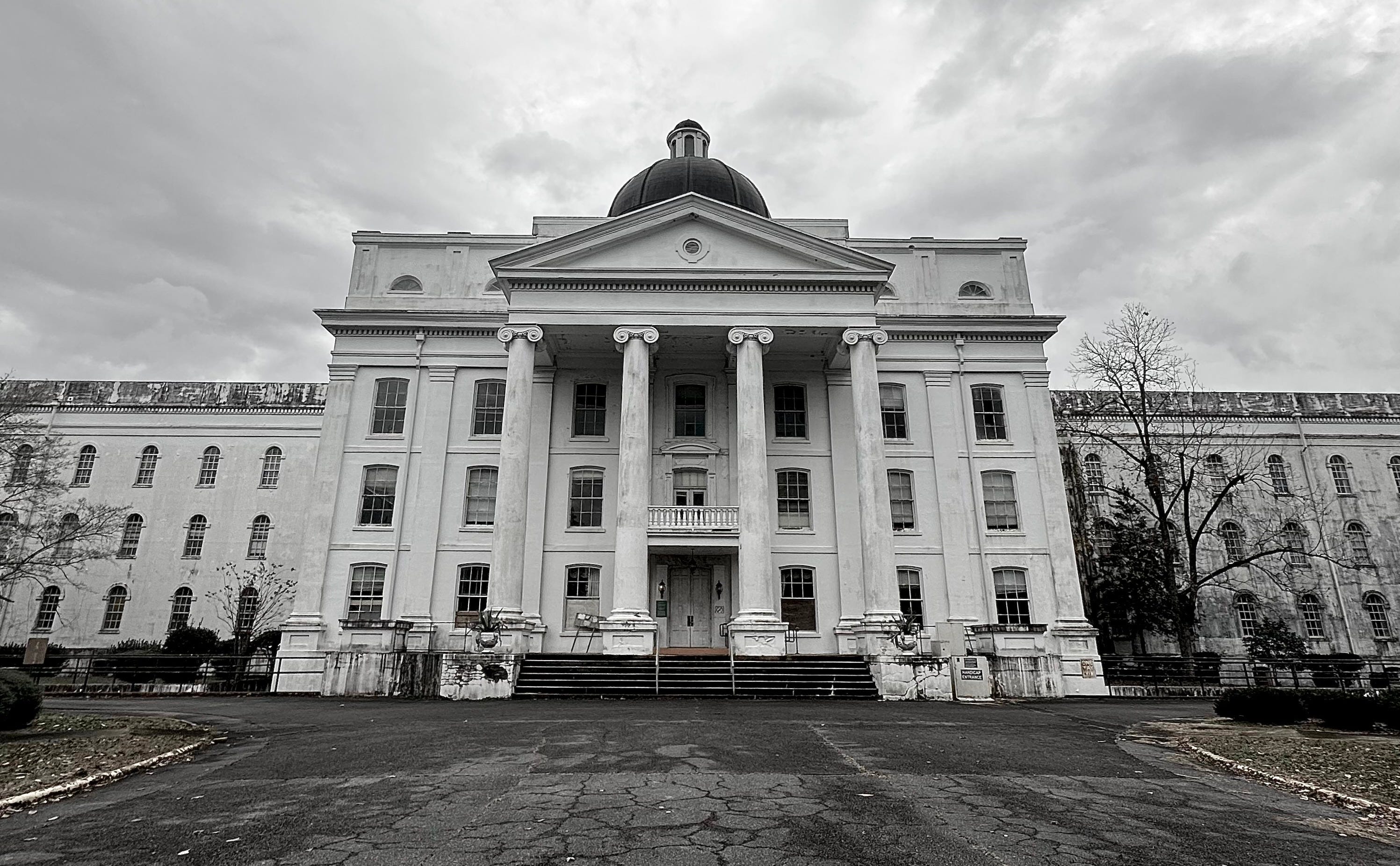
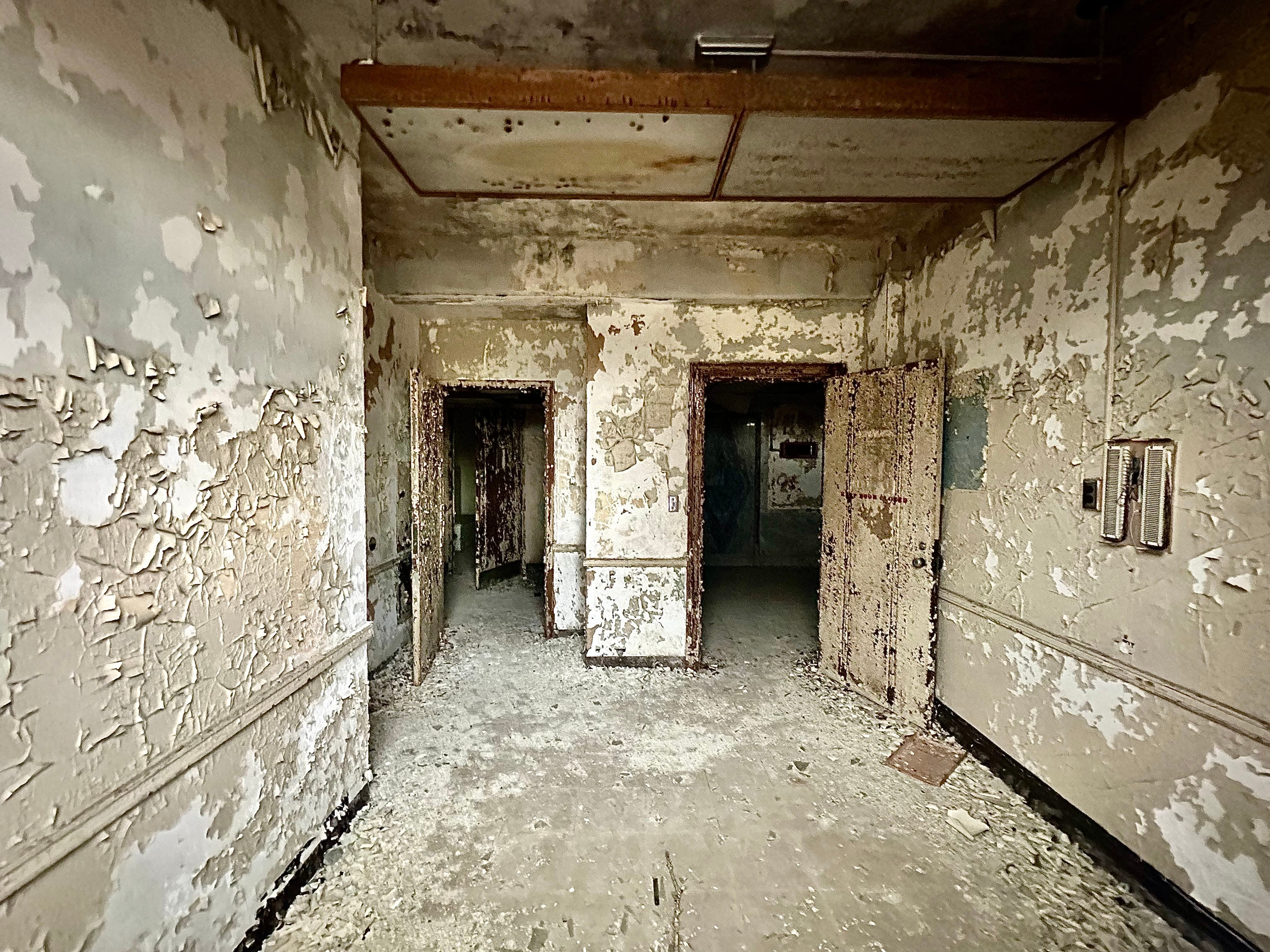
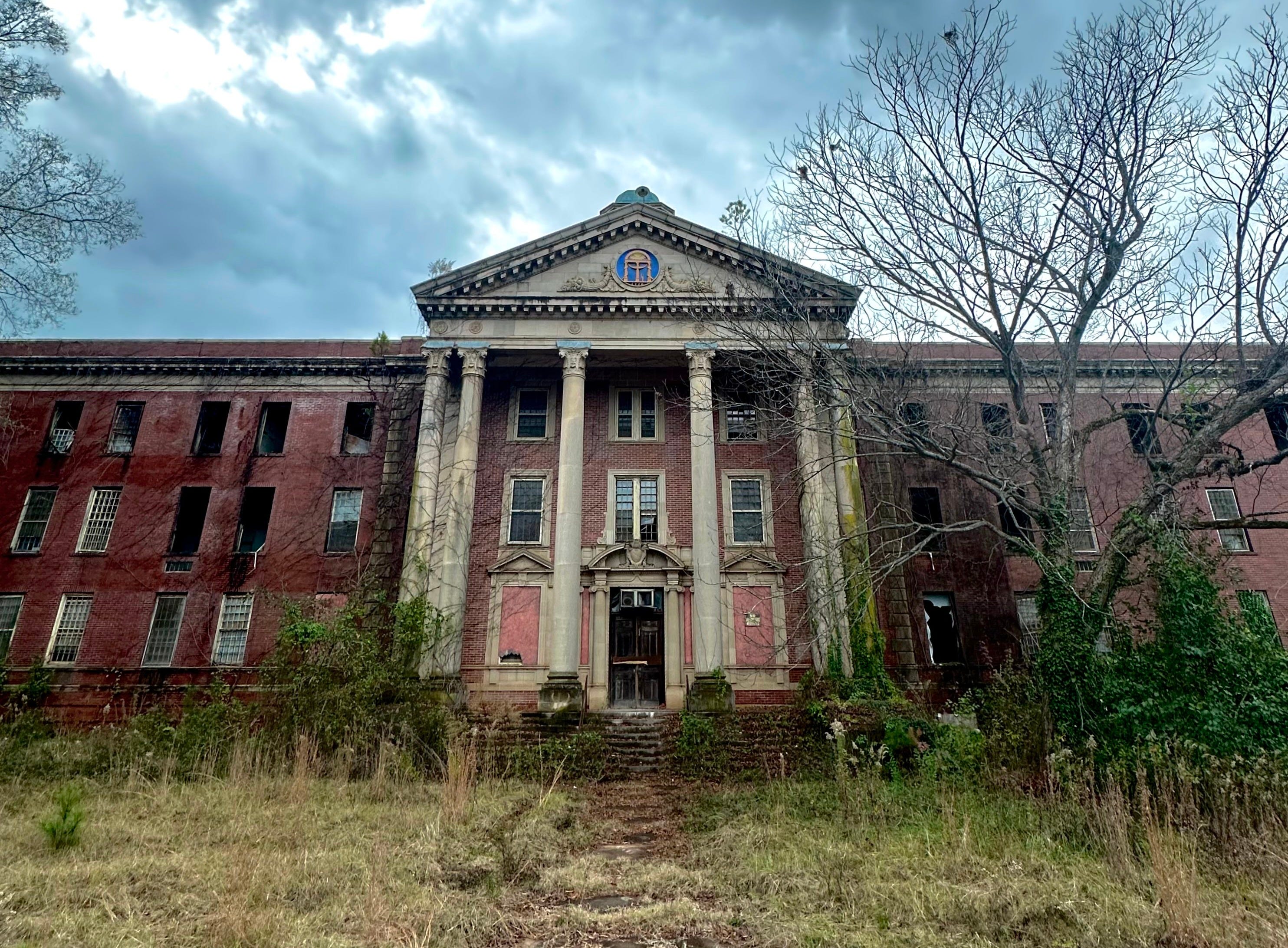
During a break between meetings that mild, gray December 2023 afternoon, I drove over to Central State to see what it looked like now. I didn’t expect the gut punch that followed.
Though I knew that Central State had housed people with disabilities during its existence, walking around the ornate but rotting buildings stirred a well of grief and anger in my stomach. In the Cedar Hill Cemetery, rows and rows of iron grave markers engraved with only numbers—not names—memorialize men, women, and children who lived and died there.
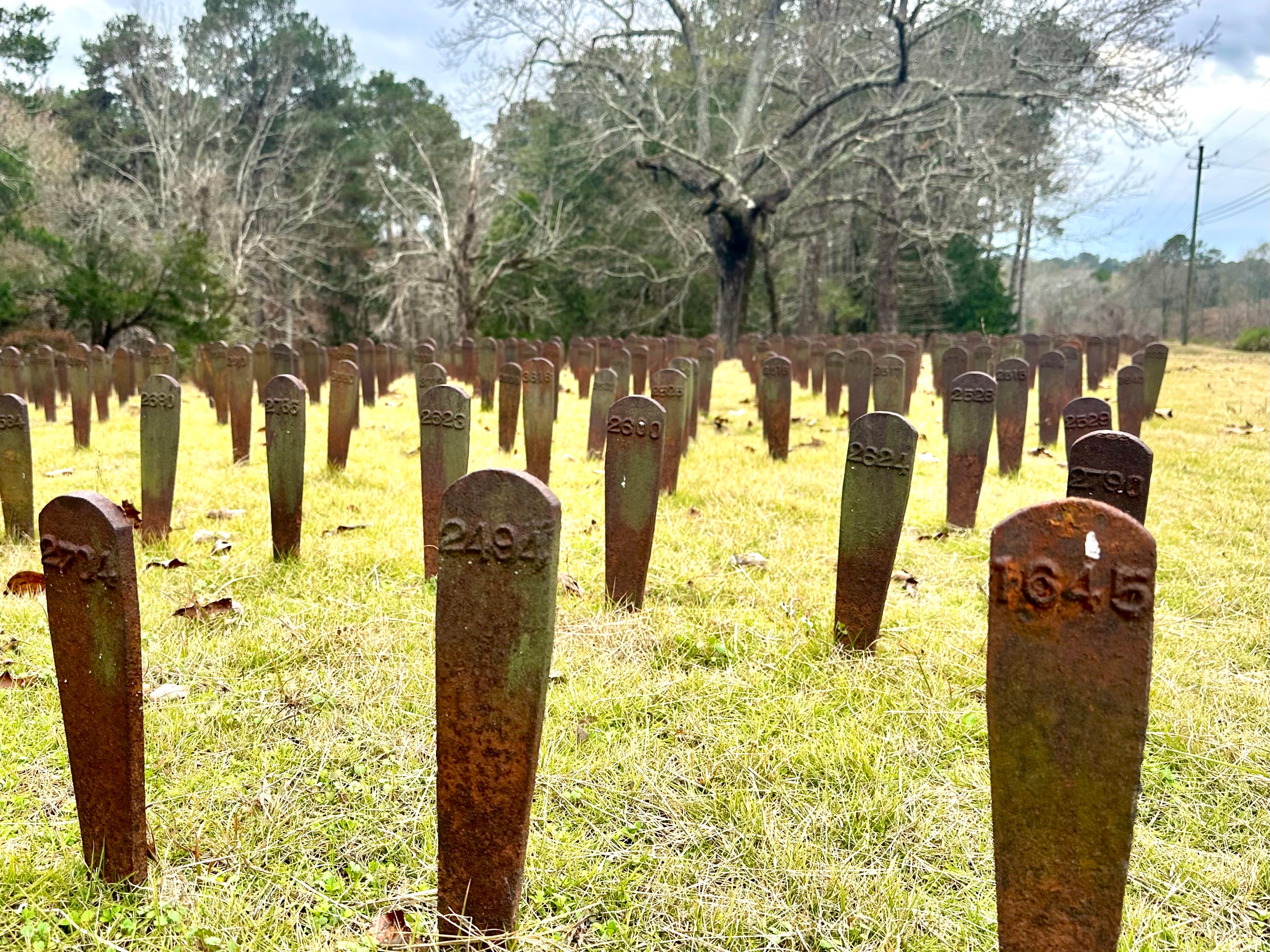
In that moment, I realized that if Luke had been born in Georgia just fifty years earlier, it’s likely that he would have been an unwanted child labeled as “mentally retarded” or a “mongoloid” and would have been “sent to Milledgeville”—a phrase frequently used in my parents’ generation for institutionalized children. Children like Luke were robbed of their families, but their families were also robbed of what these children could bring to them, as I was learning in my own experience with Luke.
Under the guise of protecting families from the hardship of raising children like Luke—thus preserving a “normal” family—and the misguided belief that the specialized care of an institution would benefit them, we as a society sequestered them in state institutions, often with substandard care, forced sterilizations, and abuse as uncovered in a 1959 Atlanta Constitution investigation.
Nowadays, it’s easy to look back at that era and wonder: how could “they” do that? Warehousing people with disabilities in institutions like Central State feels as distant in the past as the legal segregation of public schools. After decades of advocacy for people with disabilities by prior generations, Congress passed the 1975 Individuals with Disabilities Education Act (IDEA) to guarantee protections. The 1982 creation of the Katie Beckett Medicaid waiver expanded eligibility for children with severe medical needs regardless of their families’ income. State and local resources available now were unimaginable in the past. Quite frankly, without Medicaid and state resources to support Luke’s medical care, we would not have been able to afford his care.
These changes, among others, have led to drastic increases in the quality of life for people with Down syndrome and other disabilities. For example, the median life expectancy of a person with Down syndrome in the United States increased from 4 years in 1950 to 58 years in the 2010s.
At the same time, we have a long way to go. It’s exhausting to provide evidence of what is “wrong” with Luke to gain approval for each program. Parents like us have to consistently advocate for his needs and navigate hard conversations in all facets of life: neighborhood, school, church, and grocery stores.
It’s also important to remember that the underlying cultural values of achievement or “the good life” haven’t necessarily changed. While medical advancements have drastically improved quality and length of life, parallel advancements in prenatal screening are enabling parents to identify Down syndrome and other chromosomal abnormalities with more accuracy. Nearly 3 in 4 American parents who get a prenatal diagnosis choose termination, resulting in a 37% reduction in Down syndrome births if screening didn’t exist.
Now, the point of this article isn’t to debate abortion—that’s a discussion for another time that requires care and nuance. I bring it up instead as a safeguard to keep us from looking at the past with a confidence that we’re better than our “backwards ancestors.” Our achievement-driven culture traded the brutality of post-natal institutionalization for a quiet, pre-natal termination that accomplishes the same goal.
Anthropologist and college professor Thomas Pearson writes about his own rethinking of his profession in light of having a daughter with Down syndrome in his book, An Ordinary Future. He writes:
The problem is not the existence of abortion or prenatal testing, but the cultural values that give meaning to our lives, that inform our expectations and attitudes, that fuel our desire to control reproductive outcomes and seek perfection, however imaginary. These are the cultural values that shape our dreams about having certain kinds of children, certain kinds of families, certain kinds of imagined futures. We all indulge in fantasies about what makes life worthwhile, yet most of us rarely pause to stop and question why we are obsessed with achievement, why we define success according to our ability to compete economically, to produce, and to earn money, why we have such a shallow understanding of what makes life meaningful.
Luke and my Dad have been that pause for me.
It’s undeniable that they have inherent value as human beings. Their worth is not dependent on what they can produce, achieve, or give to their families. Instead, it is rooted in their identity as unique human beings made in the image of God. Despite seeing this play out before my eyes, I struggle to apply that same logic to my own life. If they have value without their ability to achieve by society’s standards, why do I continue to believe the lie that I must achieve to earn others’ love and acceptance?
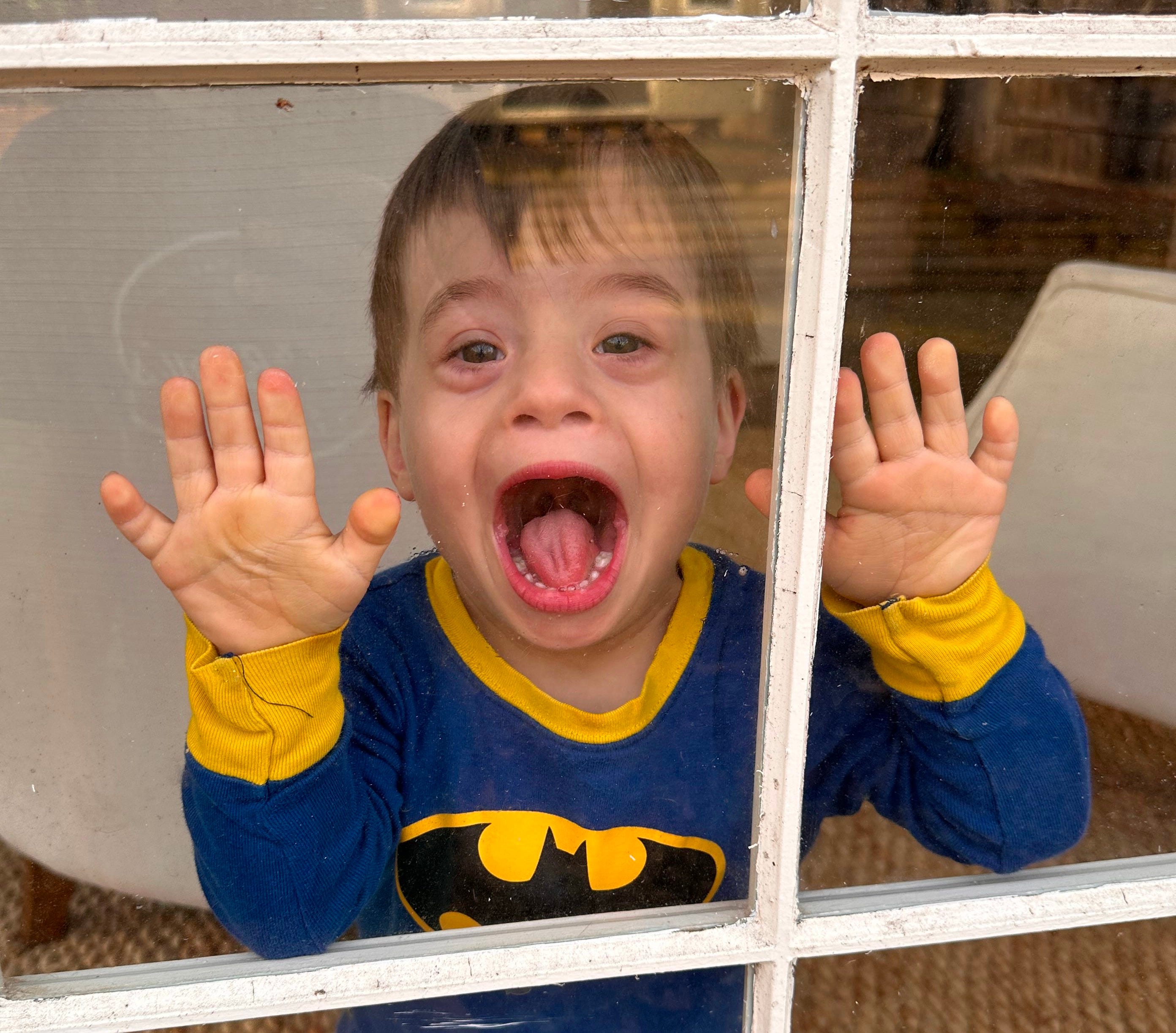
This journey is also helping me see that the benefit goes both ways—I’m a better person because of the way Luke and my Dad approach their lives. They live in the present, not fretting about the future nor wallowing in regret about the past. As Luke takes his time learning to walk, or is overstimulated by large crowds, I’m forced to slow down, jump off the productivity train, be present with him, and find joy in both his fascinations and frustrations. As my Dad plays the same prank he pulled just five minutes earlier, I can enter into his world and laugh with him instead of being embarrassed or trying to explain it away.
Don’t get me wrong; this is still painful. To be candid, not having the time and space to research and write on Southbound has been a loss I’m still grieving. The reality is that wrestling with my achievement addiction will be a central struggle of my life.
Maybe you’re like me and view achievement as the path to love and acceptance. Or perhaps, for you, it’s in striving to be perfect. Or being needed by others. Or being a peacemaker. Or being the life of the party. Or being the expert.
As we grow up, we each internalize one or more of these lies because they help us feel safe, seen, or loved. They protect us. Many lead to positive contributions to the world and others. However, they eventually let us down—it could be next week or in 20 years. That mask will fall short because we’re fallible humans surrounded by humans who are fallible too. And, when it does, you’ll have a choice—will you double down to try to recreate the magic, like I’ve done so many times, or will you take time to dig under the surface, unpack the deeper layers, and find security in your inherent dignity as a human being?
Circling back to the statement from the beginning:
“You can never overachieve; you can only achieve more.”
This time, when I look back at the younger Sam, instead of jumping to self-righteous defensiveness of my achievement addiction, I want to put my hand around that boy’s shoulder and say:
Take a deep breath.
You are loved.
You don’t need to achieve.
Notice those around you.
Be grateful.
And, remember that you’re a human being, not a human doing.1
Thank you for reading Southbound. If you liked this article, please click the ♥️ icon at the bottom of this post, leave a comment, or forward it to a friend. Doing so provides me with helpful feedback and helps others find the article.
This statement is often attributed to author Kurt Vonnegut.
Sam, thanks again for helping me stop to consider and internalize ideas about what makes life worth living (and how people often skew them when we default to our SELF-centered perspectives). I’ve known your dad for a long time, and I’ve followed your journey with Luke closely, so @ 73, a look back and a glimpse forward confirm the truth that I need to slow down, be present with each person who crosses my path, listen and observe, and 100% of the time, I find beauty and worth, and I am the one who is blessed.
Wow, what a great article. I am so glad to read this story. You have a great way of drawing the reader in to hear and experience more than what’s in the surface! Keep up the great work and God Bless you all, your dad and your son!